Why Does the Knee Feel Stiff After Sitting for a Long Time?
Knee stiffness after prolonged sitting is related to synovial fluid distribution and joint biomechanics, and is typically temporary, improving with movement.
Published on
12 April 2026
Reading time
2 min
About This Article
Pronto Pharma Editorial Team
The article structure follows the same information hierarchy used across product detail pages.
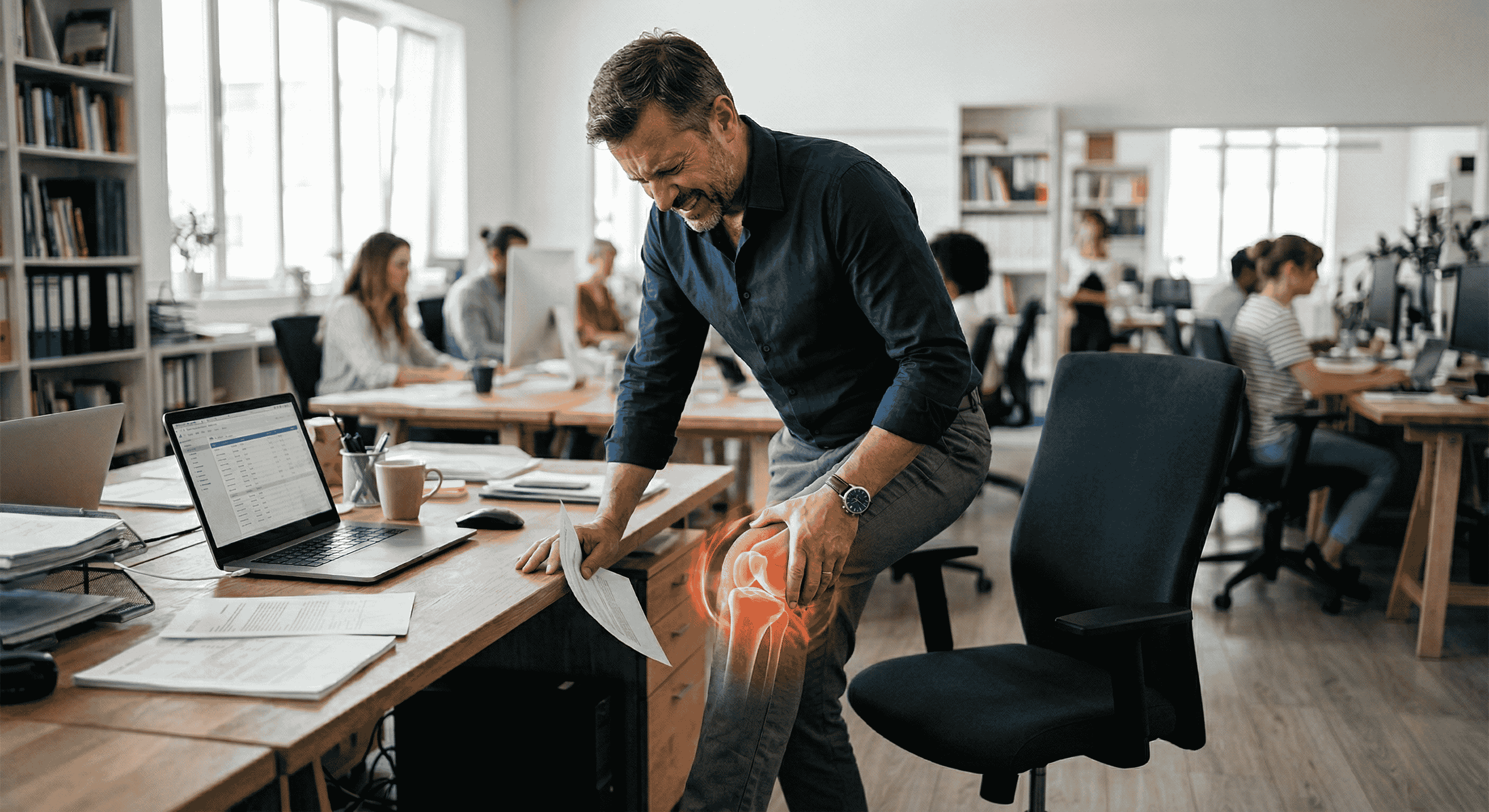
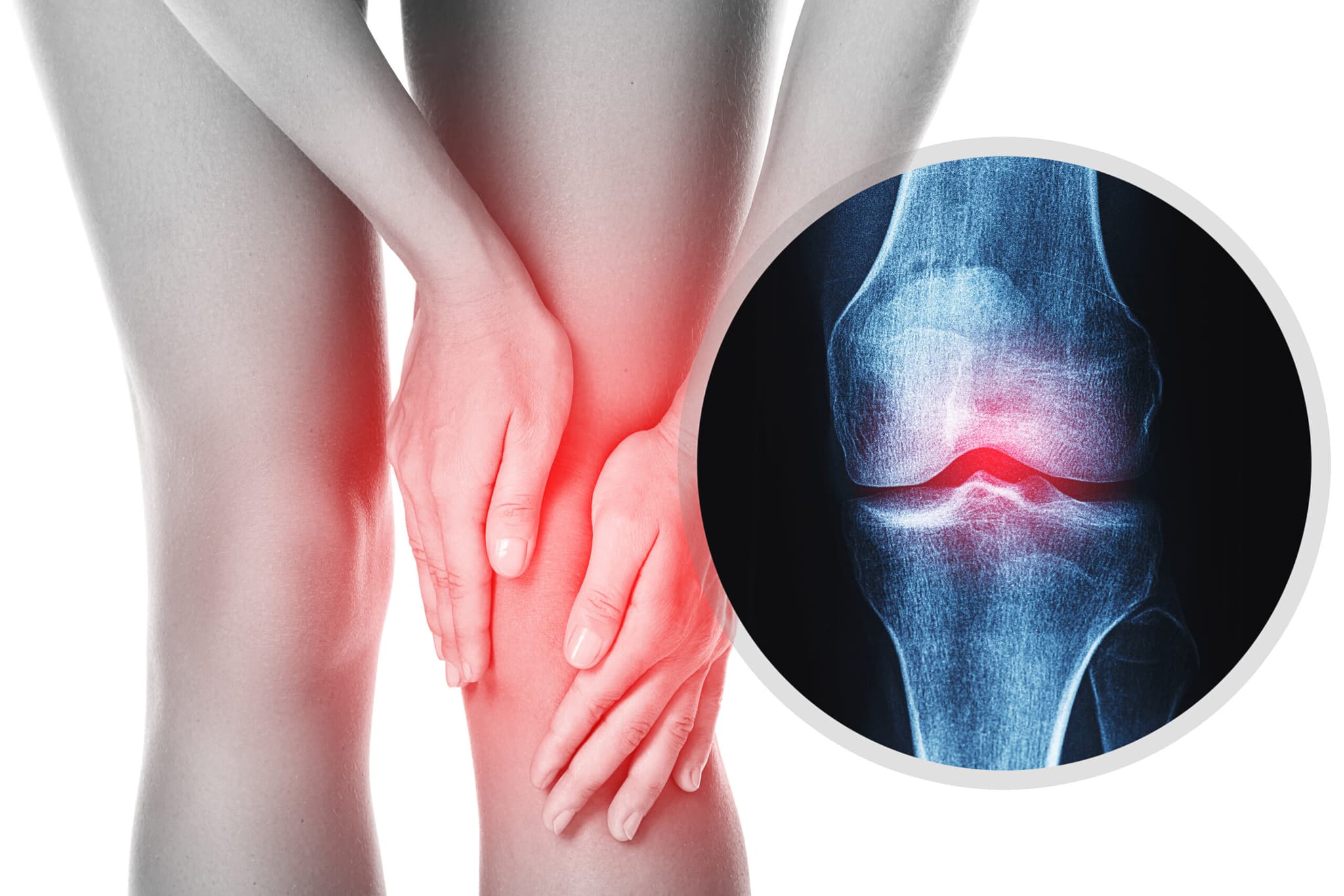
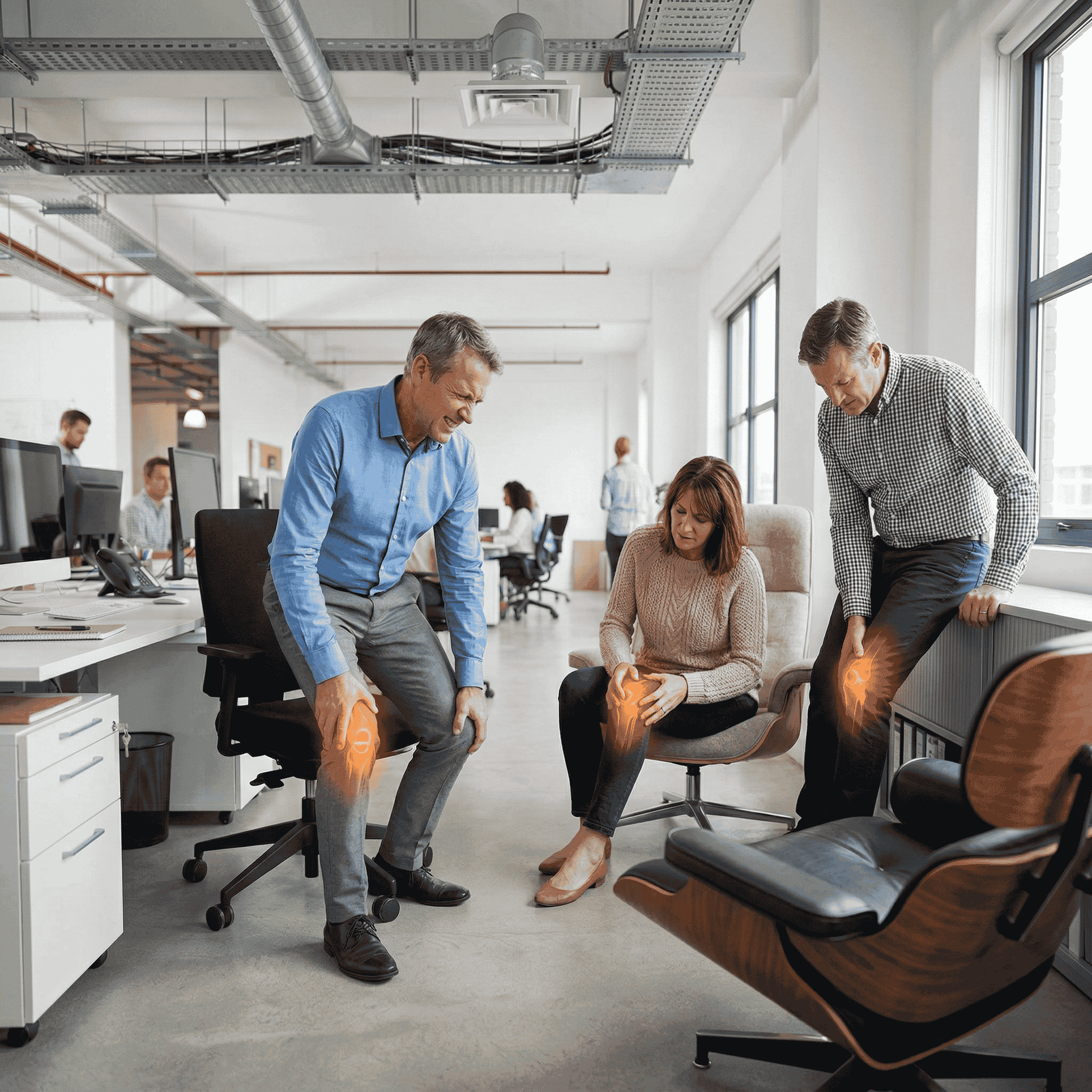
The sensation of stiffness in the knee after prolonged sitting is a common experience in daily life. While it is often perceived as a minor discomfort, it is closely related to the biomechanics and physiology of the knee joint.
The Role of Movement in the Knee Joint
The knee joint is a complex structure formed by the femur, tibia, and patella. Its proper function depends not only on bone integrity but also on cartilage, ligaments, muscles, and particularly synovial fluid.
Synovial fluid is a viscoelastic substance within the joint capsule, and its primary roles include:
Reducing friction between joint surfaces
Distributing mechanical loads
Supporting the nutrition of cartilage tissue
Importantly, the distribution of this fluid is not passive; it is directly influenced by movement.
Inactivity and Joint Physiology
When the joint remains in a fixed position for a prolonged period—especially in flexion—synovial fluid distribution across joint surfaces may decrease.
This can temporarily alter the mechanical balance within the joint. Scientific literature suggests that the stiffness felt during initial movement after inactivity may be associated with:
Reduced synovial fluid distribution
Changes in intra-articular pressure
Temporary adaptation of periarticular tissues
This explains why the first few movements after sitting can feel restricted.
Transient Stiffness and Clinical Relevance
This type of stiffness is usually short-lived and improves with movement. In healthy individuals, it is generally considered a physiological response.
However, if stiffness:
Persists for a prolonged time
Is accompanied by pain
Progressively worsens
further clinical evaluation may be necessary.
Movement and Joint Health
Modern orthopedic approaches consider joint health not only as a structural concept but as a dynamic and functional system.
Movement:
Enhances synovial fluid circulation
Supports cartilage nutrition
Contributes to biomechanical balance
For this reason, avoiding prolonged inactivity and maintaining regular movement is important for joint health.
Conclusion
Knee stiffness after prolonged sitting is often related to normal physiological processes within the joint. The movement-dependent nature of synovial fluid distribution plays a key role in this phenomenon.
The knee joint should therefore be understood not as a static structure, but as a dynamic system that relies on movement to maintain its balance.
Product Intent Continuation
This article is designed to move readers toward the product detail page and the surrounding product cluster.
Neoial HC
NEOIAL HC is a Class III medical device for intra-articular use, combining dual molecular weight hyaluronic acid with recombinant silkworm collagen.
Synart
Joint care with medium molecular weight Hyaluronic acid sodium salt.
PROmovia® HydroBalance
Patented formula based on Sodium Hyaluronate and Trehalose - Long-term symptomatic relief.
Article Outline
Editorial and Corporate Information
This article is for informational purposes and does not replace diagnosis or treatment advice.
Article Facts
Published on: 12 April 2026
Last updated: 12 April 2026
Reading time: 2 min