Corporate Blog
Patient Guide

We use cookies to ensure you get the best experience on our website. For more information on how we use cookies, please see our cookie policy.
By clicking "Accept", you agree to our use of cookies.
Learn more
Understand the true source of your knee pain. Read the article to learn the differences between osteoarthritis and rheumatoid arthritis, and manage your health consciously.
Published on
29 March 2026
Reading time
3 min
About This Article
Pronto Pharma Care
The article structure follows the same information hierarchy used across product detail pages.
This article is designed to move readers toward the product detail page and the surrounding product cluster.

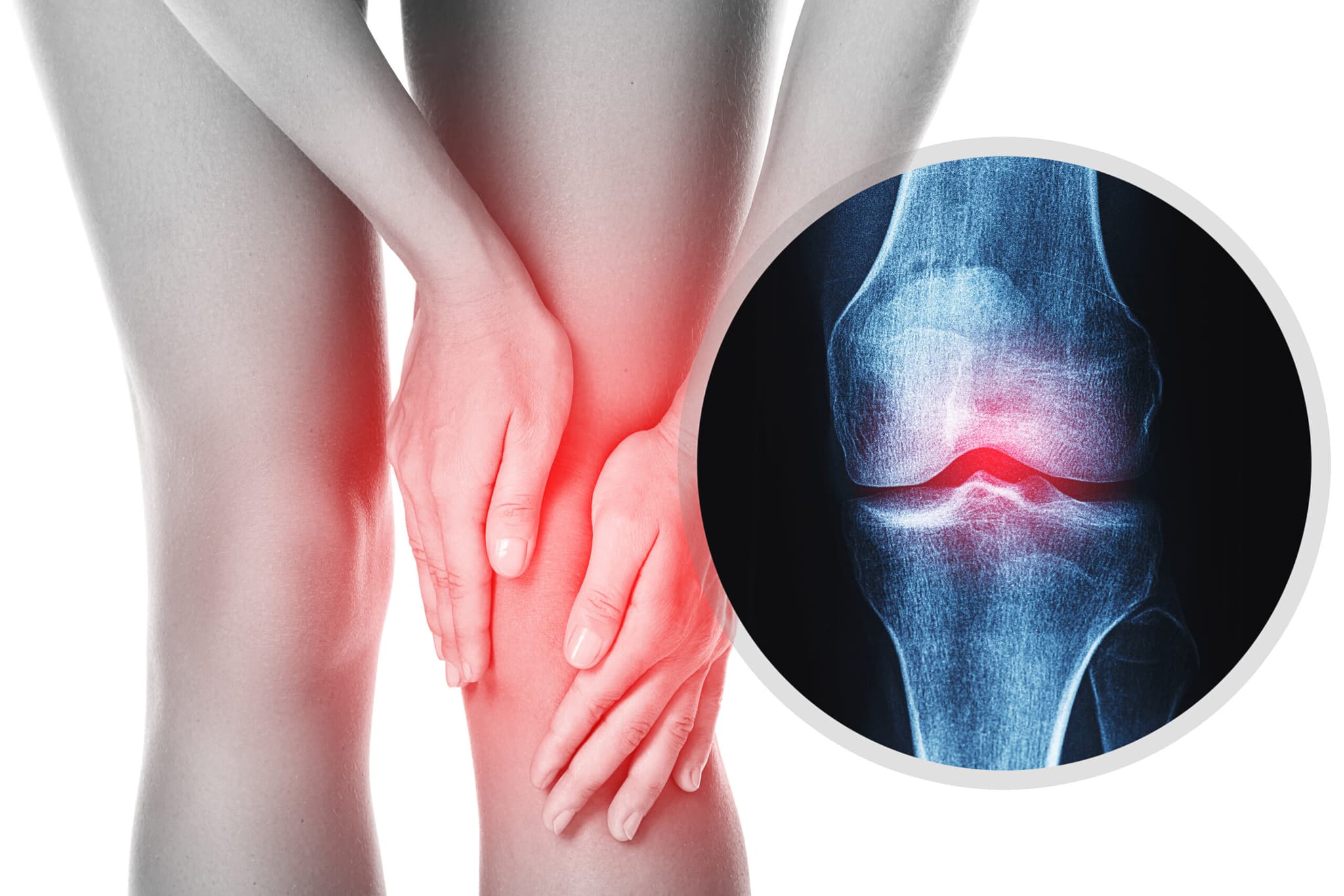
Knee pain is one of the most common complaints encountered in orthopedic practice. However, its underlying cause is often misunderstood. The terms “osteoarthritis” and “rheumatism” are frequently used interchangeably, even though they represent entirely different biological processes.
Accurately distinguishing between these two conditions is critical for both treatment planning and disease progression.
Osteoarthritis is a degenerative joint disease characterized by the gradual breakdown and deterioration of articular cartilage.
As the cartilage weakens:
-The protective cushioning between joint surfaces diminishes
-Structural changes occur in the bone
-Joint mobility may become limited
This process is commonly associated with:
-Aging
-Mechanical stress
-Excess body weight
-Repetitive microtrauma
Osteoarthritis is considered one of the most prevalent joint disorders worldwide.
Rheumatoid arthritis, on the other hand, has a completely different mechanism.
It is:
-A chronic inflammatory disease
-An autoimmune condition in which the immune system attacks the synovial membrane
-A systemic disorder that may affect multiple organs
Unlike osteoarthritis, rheumatoid arthritis can occur at any age and often involves the entire body.
The most fundamental difference lies in their underlying mechanisms:
-Osteoarthritis → mechanical degeneration
-Rheumatoid arthritis → immune-mediated inflammation
This distinction affects everything from symptoms to treatment approaches.
In osteoarthritis:
-Pain increases with movement
-May improve with rest
In rheumatoid arthritis:
-Pain may persist even at rest
-More prominent in the morning
In osteoarthritis:
-Typically short-lasting (usually less than 15 minutes)
In rheumatoid arthritis:
-Prolonged (often lasting more than an hour)
This is one of the most important clinical indicators.
In osteoarthritis:
-Often affects a single joint or is asymmetrical
In rheumatoid arthritis:
-Typically symmetrical (e.g., both wrists affected)
In osteoarthritis:
-Hard, bony enlargements
In rheumatoid arthritis:
-Soft swelling
-Warmth and redness
Misinterpretation can significantly impact treatment outcomes.
In osteoarthritis, management often focuses on:
-Exercise
-Weight control
-Reducing mechanical load
In rheumatoid arthritis, however:
-Early diagnosis is crucial
-Treatment targets the immune system
Delayed diagnosis in rheumatoid arthritis may lead to irreversible joint damage.
Knee pain should not be attributed to a single condition.
Osteoarthritis and rheumatoid arthritis are among the most commonly confused yet fundamentally different disorders.
Therefore, evaluating:
-The nature of the pain
-Its duration
-Associated symptoms
is essential.
Joint health is a complex interplay of cartilage, synovial tissue, biomechanics, and immune function.
-Turkish Society of Rheumatology – Osteoarthritis
-Türkiye Klinikleri – Rheumatoid Arthritis
-Journal of Clinical Investigation – Cartilage Biology
-Osteoarthritis and Cartilage Journal
This article is designed to move readers toward the product detail page and the surrounding product cluster.
Editorial and Corporate Information
This article is for informational purposes and does not replace diagnosis or treatment advice.
Article Facts
Published on: 29 March 2026
Last updated: 29 March 2026
Reading time: 3 min
Published on: 29 March 2026